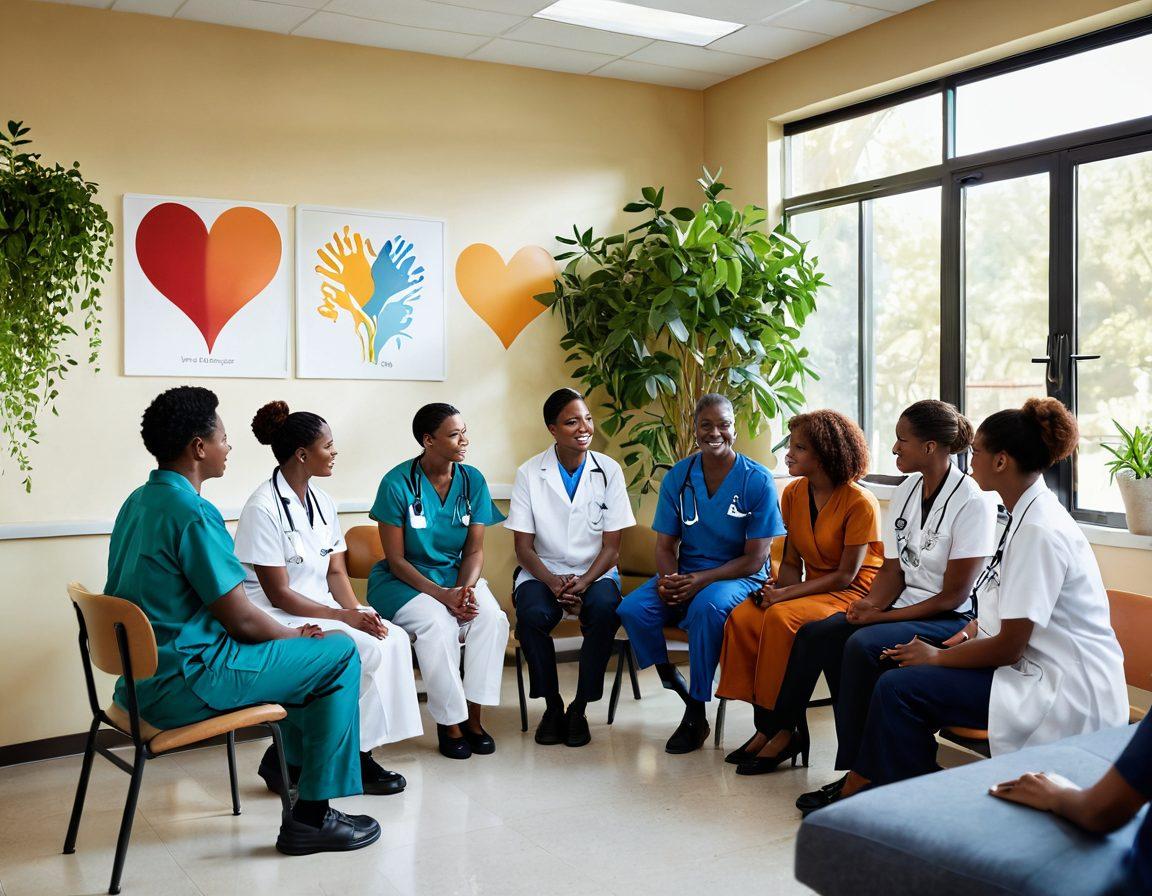
Empowering Cancer Patients: Evidence-Based Strategies for Wellness and Support
In the realm of oncology, the journey of a cancer patient often feels overwhelming, marked by the complexities of malignancy and the impact of tumors on their lives. Whether it’s a recent diagnosis of carcinoma or navigating the tumultuous waters of cancer treatment such as chemotherapy or radiation therapy, the road can appear daunting. But what if there were strategies to not only endure this journey but to thrive amidst it? In this exploration of wellness, we will uncover evidence-based approaches backed by medical research and cancer studies that can empower patients, enhance their quality of life, and provide essential cancer patient resources.
Imagine walking into your doctor’s office, the weight of the world on your shoulders, as you hear the words ‘you have cancer.’ Your mind races: How will I cope? What about my family? But within that moment of despair lies a beacon of hope— the promise of evidence-based medicine. This approach champions the integration of the latest clinical trials and medical advancements like immunotherapy and palliative care. With patient-centered care at the forefront, it encourages individuals to seek and utilize resources available to them, such as support groups and educational programs on symptom management and rehabilitation, ensuring that a cancer diagnosis does not equate to a loss of control.
In the throes of treatment, whether facing chemotherapy or exploring holistic health practices, the importance of social support cannot be overstated. Cancer patients often find solace in survivor stories, sharing their experiences and strategies for coping. Not only does this foster a sense of community, but it also reinforces the idea that they are not alone in this battle. By engaging with fellow patients, whether in-person or through specialized cancer patient resources, individuals can gain insights into preventive care, early detection, and the emotional aspects of living with cancer, all contributing to a robust support system that can make a significant difference.
While embarking on this challenging journey, one pivotal question emerges: How can we best advocate for ourselves and others in the medical community? Patient advocacy is a powerful tool. By being informed and proactive, cancer patients can communicate their needs effectively, ensuring that their voices are heard in the context of healthcare. It’s crucial to understand the options available—be it through exploring the latest in clinical trials or understanding the nuances of different treatment modalities. This knowledge equips patients not only to make informed decisions regarding their care but also to play an active role in shaping their treatment paths.
Finally, let’s consider the larger picture of cancer prevention and wellness beyond just surviving. Engaging in health education and understanding the benefits of lifestyle choices can greatly enhance the journey toward recovery. Adopting preventive care practices, prioritizing mental health, and maintaining a balanced lifestyle are all essential components that should be woven into the fabric of cancer treatment and rehabilitation. As we unravel the layers of supporting cancer patients, we discover not just methods to cope, but a treasure trove of ways to unlock wellness and lead lives filled with purpose, hope, and resilience.
Navigating the Journey: Enhancing Quality of Life through Patient-Centered Care
Navigating the journey of cancer treatment is akin to embarking on a treacherous voyage across uncharted waters. For many patients, the diagnosis of malignancy sends them reeling, raising questions that often feel like insurmountable waves. How do I manage my wellbeing amidst this chaos? What support systems are available to help me during this uncertain time? Understanding the complexities of oncology is critical, but empowering cancer patients to take the helm of their own journey through patient-centered care is essential in enhancing their quality of life.
The landscape of cancer care is transforming thanks to the dedication of the medical community and advancements in evidence-based medicine. Researchers are continually unraveling the intricacies of tumors, including carcinoma, through extensive cancer studies that inform best practices in treatment. This revolutionary approach encourages patients to become active participants in their healthcare, effectively shifting the paradigm from traditionally passive roles to empowered advocates for their own wellness. It also opens the door to countless cancer patient resources tailored to their unique needs.
In the face of chemotherapy, radiation therapy, and even immunotherapy, patient-centered care is more crucial than ever. This approach unfolds a treasure trove of options for symptom management and rehabilitation tailored to individual circumstances. Patients can implement holistic health practices, adopt preventive care measures, or engage in clinical trials that may provide radical advancements in their treatment. Each survivor story stands testament to the transformative power of personalized healthcare, highlighting that even the toughest treatment journey can be navigated with strength and resilience.
As we delve deeper into the implications of social support structures, we uncover the tremendous impact they have on cancer patients' quality of life. Support groups serve as lifelines for individuals who can share experiences, express feelings, and gain camaraderie with others who understand the struggle. The magic of such connections fosters a sense of belonging and significantly reduces feelings of isolation during devastating times. Imagine hearing someone say, 'I have walked this path, and I understand. You are not alone.' This kind of affirmation is invaluable.
Finally, it's essential to emphasize the role of health education in the entire journey. Empowering patients with knowledge about their condition, treatment options, and wellness strategies cultivates hope. Education is the bedrock of understanding early detection, palliative care, and maintaining a balanced lifestyle that fosters long-term survivorship. As we reflect on our personal journeys through the fight against cancer, let us not forget the immense power of shared stories and the strength we gain through supporting one another. Here’s to walking this path together and enhancing our quality of life, one step at a time.
From Research to Reality: Empowering Survivors with Effective Strategies for Health and Healing
In the realm of cancer treatment, the journey from diagnosis to survivorship is often marked by a turbulent blend of hope, fear, and uncertainty. Among the vast sea of medical research, oncology has made significant strides in transforming the lives of cancer patients. It's not just about combating malignancy through standard procedures like chemotherapy or radiation therapy, but also about enhancing the quality of life through comprehensive healthcare strategies. How do we turn these evidence-based medical insights into actionable methods that empower survivors? Let's explore the transition from research to reality as we unveil effective strategies for health and healing.
Imagine battling not just cancer, but the burden of feeling isolated in your journey. The stories of survivors echo the need for social support and a strong community. As one survivor famously said, "You don't have to go through this alone; find your tribe." Finding a supportive group or connecting with patient advocacy organizations can be pivotal for cancer patients. Support groups provide more than just empathy; they are reservoirs of cancer patient resources, offering everything from symptom management techniques to insights from fellow warriors who've navigated the rough waters of diagnosis and treatment. The simple act of sharing and listening can spark hope.
We often hear the buzzwords 'holistic health' and 'preventive care,' but what do they truly mean for cancer patients? The medical community increasingly recognizes the value of a multi-faceted approach to wellness that includes nutrition, emotional wellness, and rehabilitation alongside traditional medical interventions. Evidence-based medicine is not a one-size-fits-all solution; it embraces the uniqueness of each individual. What if we approached cancer prevention with the same vigor we do in response to malignancy? Engaging in health education empowers patients and reminds them that they hold a vital part in their treatment journey, especially when it comes to early detection.
Clinical trials have been crucial in the evolution of cancer treatments, including innovative therapies like immunotherapy. Why is this significant? Because knowing that you have the option to participate in groundbreaking research can be incredibly empowering. Survivorship is not merely a title bestowed upon those who've defeated tumors; it's about actively participating in your own health journey. Rehabilitation programs specifically designed for cancer survivors can enhance recovery and encourage long-term health. These resources can transform the survivor narrative into one of resilience and strength, emphasizing that treatment is not the end but rather a new beginning.
Lastly, let's reflect on the importance of palliative care and patient-centered care in the journey of a cancer survivor. It isn't merely about extending life; it's about enhancing that life with dignity and joy regardless of the stage of treatment. What does it mean to care holistically for patients? It means educating both healthcare providers and patients about managing symptoms, enjoying life, and embracing moments of beauty even in hardship. By bridging the gap between research findings and real-world applications, we can indeed uplift the spirits of survivors, promising them a journey filled with health, healing, and hope.